
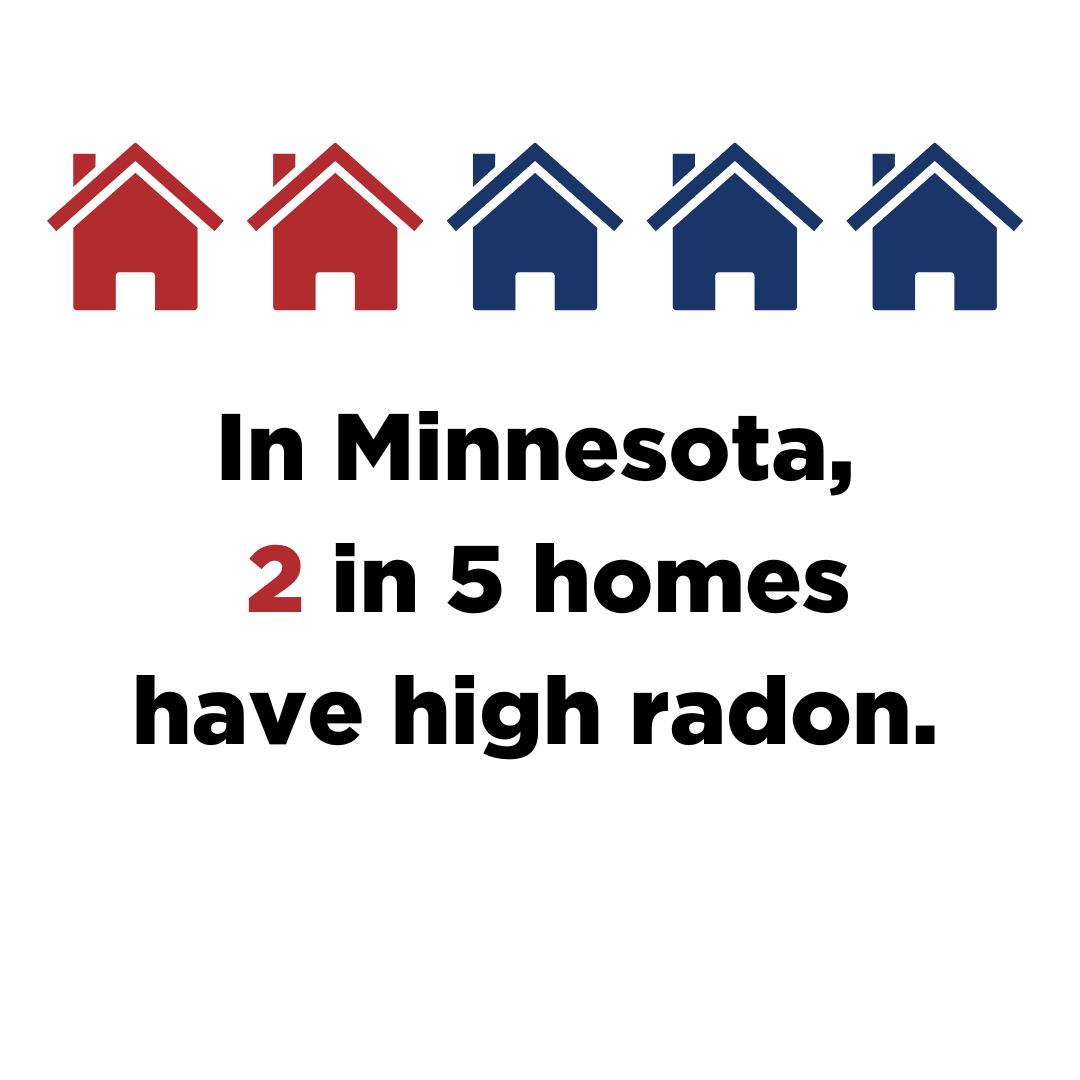
Radon Awareness Month. Is Radon putting your health at risk?
What Is Radon?
Radon gas is a colorless, odorless, and tasteless radioactive gas. It is formed by the breakdown of uranium, a natural radioactive material found in soil, rock, and groundwater.
What Is The Threat Of Radon?
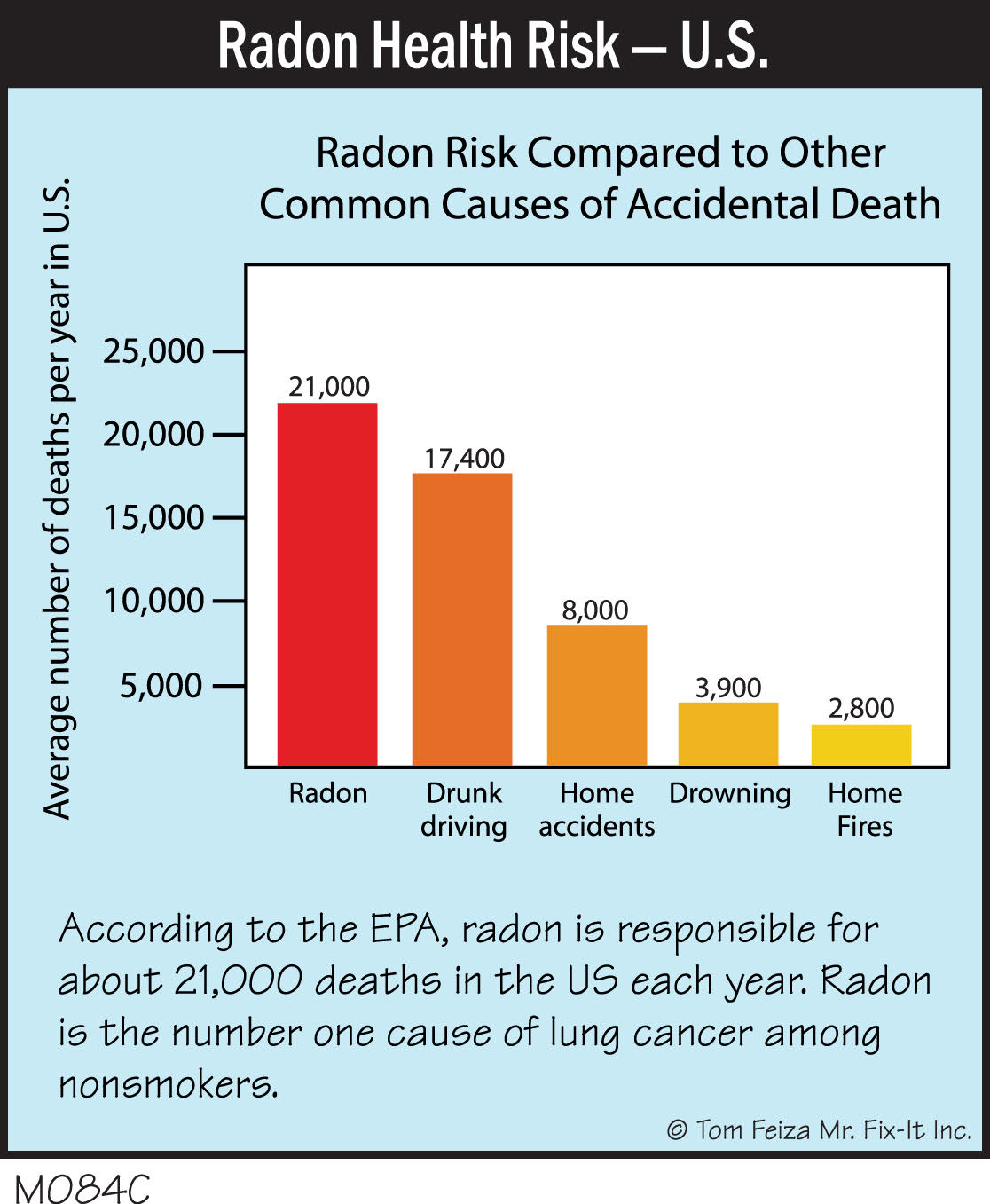
Radon is the second leading cause of lung cancer. In the United States, the EPA estimates that about 21,000 lung cancer deaths each year are radon related.
How Does Radon Get Into The Home?
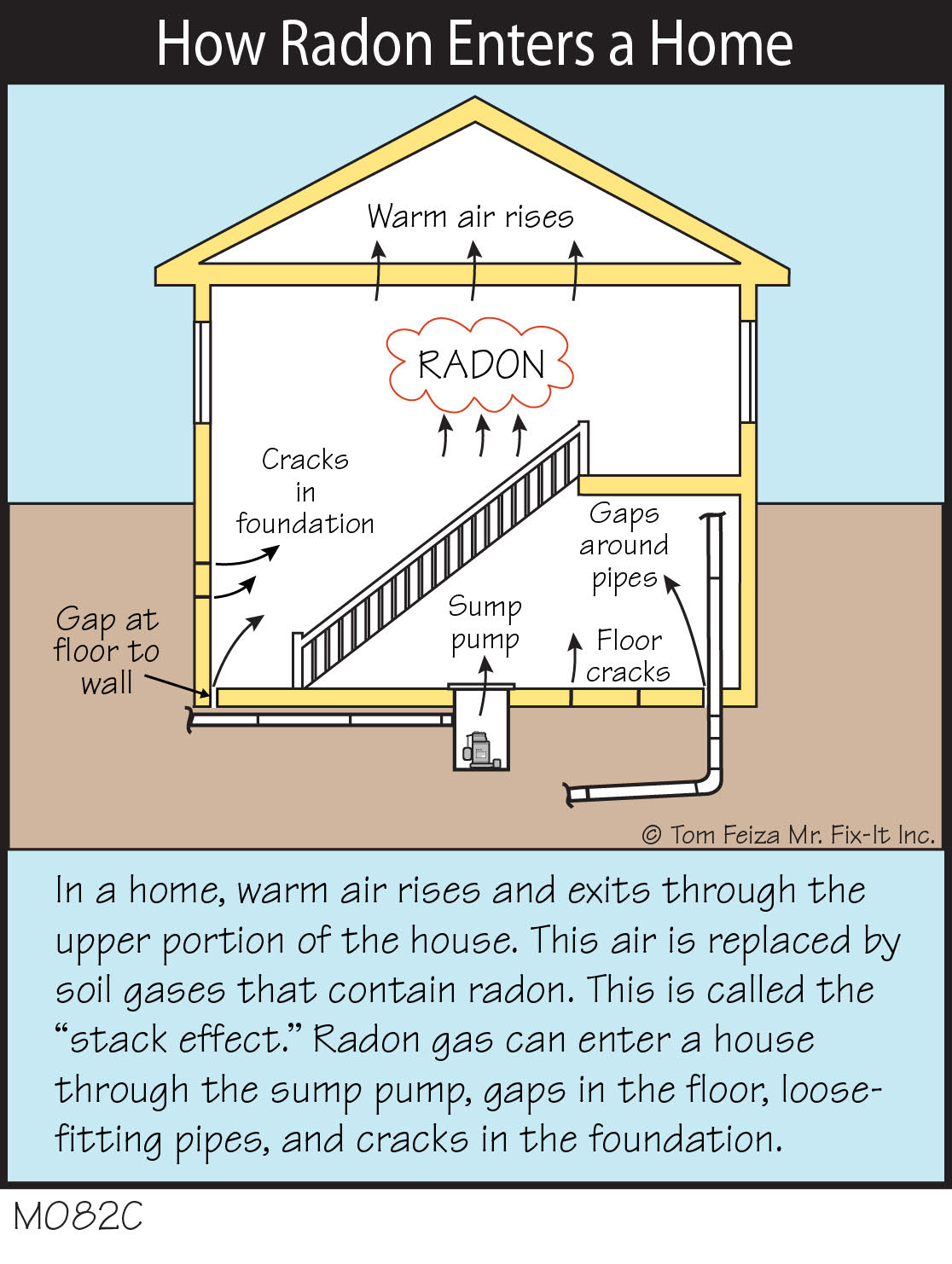
When radon is released from the ground into the outdoor air, it is diluted into low concentrations and is not a concern. Within homes, it typically moves up through the flooring system into other openings and moves between the ground and living spaces. Your home can also trap radon inside, where it then builds up over time. Any home may have a radon problem – this means new and old homes, well-sealed or drafty homes, even homes with or without basements. This means you can live in an area with fairly low environmental radon, but you could still have significant levels in your home.
Who does radon affect?
Anyone can develop lung cancer from long-term exposure to high radon levels.
When should I install a radon reduction system?
First, test your home’s radon levels. EPA recommends hiring a licensed professional to install a radon reduction system if levels are over 4pCi/L.
If you are looking for a trusted professional please contact Aaron Bye with Acer Home Inspections.
CALL: 651-592-8810
CONTACT: CLICK HERE
EMAIL: aaron@acerinspections.com
WEBSITE: CLICK HERE